Choosing the right wood is an important step in any construction, renovation or design project. Wood affects the look, durability, maintenance and final result.
Each species has its own characteristics, uses and benefits.
For interior paneling, an exposed beam, an exterior timber frame, a deck or wood siding, the right choice depends on the context. Where the wood will be installed, exposure to moisture, the desired style, the budget and the finish you want must all be taken into account.
At De Bois Blouin, we have been helping clients choose wood species for more than 75 years. Our family business, located on Île d’Orléans, turns raw lumber into finished products for residential, commercial and architectural projects across Quebec.
Solid wood: a natural, durable choice
Solid wood is valued for its warmth, authenticity and ability to stand the test of time. Unlike some more uniform materials, wood has a texture, grain and presence that make every project unique.
A well-chosen solid wood product can transform a room, define a façade or give character to an outdoor space. It can be used for exposed beams, interior paneling, exterior paneling, timber frames, decks or decorative elements.
Choosing wood made or processed in Quebec also means relying on expertise that understands local conditions. Quebec’s climate calls for products that can handle temperature swings, humidity, frost and sun. That’s why working with a local manufacturer can make a real difference.
Douglas fir: for beams and timber frames
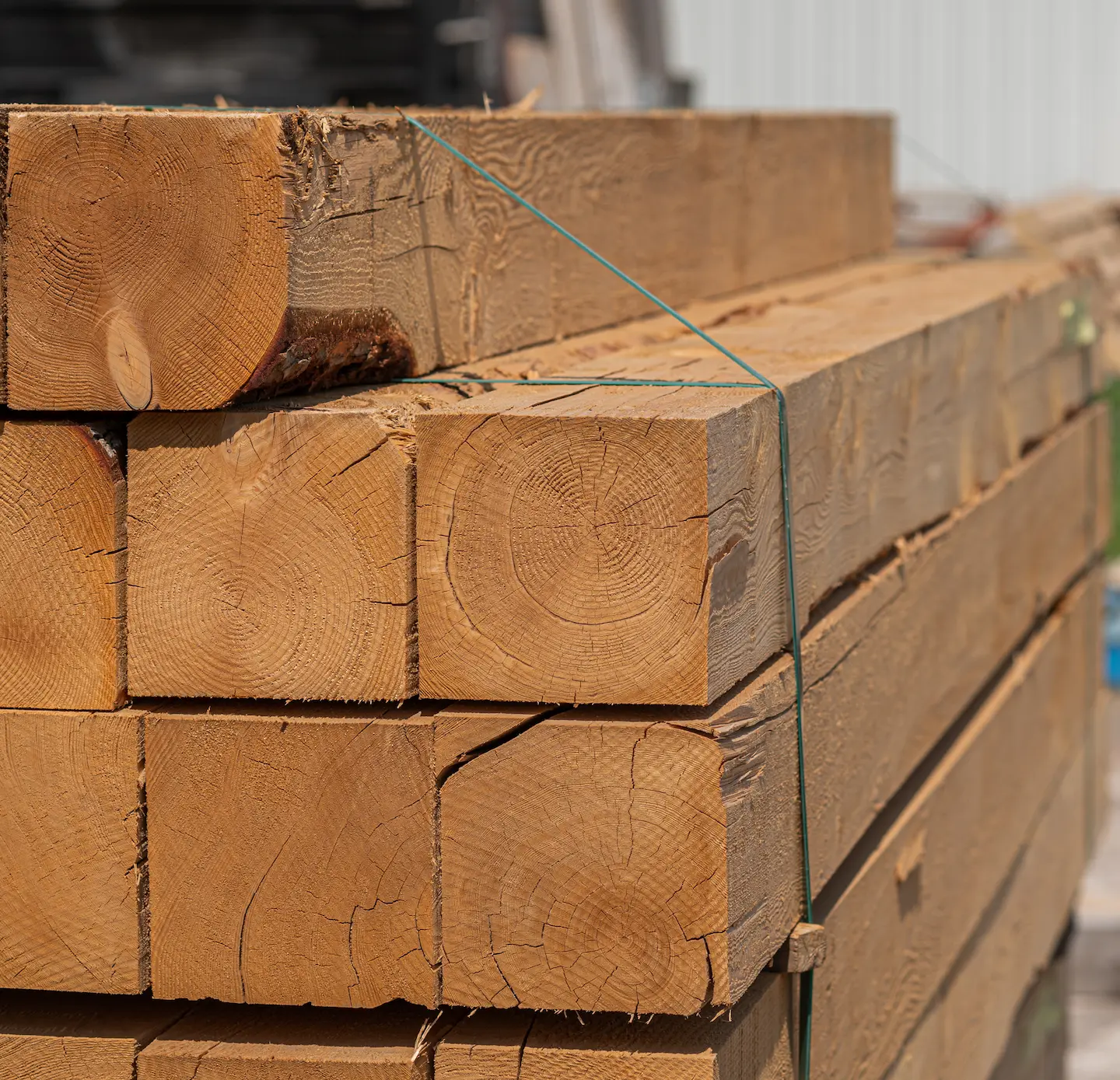
Douglas fir, also called BC Fir, is a Canadian wood known for its strength and stability. It is often used for exposed beams, structural beams and timber frames.
Its warm appearance suits contemporary projects as well as cottages, country homes and commercial spaces. It lets you create strong, visible and durable elements.
Contractors and architects value Douglas fir for its performance over long spans and in exposed structures. For homeowners, it delivers an instant architectural effect. A Douglas fir beam can completely change the feel of a room.
It’s an excellent choice for a project that calls for both strength and beauty.
White pine: versatile and bright
White pine is widely used for interior projects. It is lighter, easy to work with and takes stain well. Its pale appearance creates bright, soft and warm spaces.
It is often found in interior paneling, ceilings, feature walls and some decorative beams. It is especially well suited to Scandinavian, farmhouse, cottage or lakeside styles.
White pine is also popular with owner-builders because it offers great versatility at a generally more affordable cost. With the right finish, it adapts to many styles.
Eastern white cedar: for lasting exterior use
Eastern white cedar, also called white cedar, is a highly relevant species for exterior projects in Quebec. It is known for its natural resistance to insects, its stability and its durability.
It is well suited to cedar decks, exterior paneling, wood siding and certain architectural elements exposed to the weather. Its texture and colour make it a sought-after choice for clients who want a natural, long-lasting result.
For a deck, cedar also feels comfortable underfoot. It ages well when properly maintained and blends easily into landscaping.
Choosing cedar for an exterior project means investing in a Canadian product suited to our climate.
Poplar: for painted finishes
Poplar is a uniform species, often used when a painted finish is wanted. Its smooth surface gives a clean, consistent result.
It works well for interior projects where you want the warmth of wood with a more understated or coloured look. In some cases, it can be a good option for paneling or painted decorative elements.
Choosing poplar depends mainly on the final look you want. It is chosen less for visible grain, but it is very useful when the finish becomes the main feature.
Spruce: a budget-friendly option for some projects
Spruce can be a good option for projects where budget is a major factor. It is often used for more economical projects or for painted finishes.
Its look is more rustic than other species, but it can give a beautiful result when properly prepared and finished. For some paneling, large volumes or secondary projects, it is an accessible solution.
The key is to choose the species based on how the product will actually be used. A wood can be excellent in one context and less suitable in another. That’s why technical advice is essential.
Factory finishing: an advantage worth considering
Choosing wood isn’t only about the species. The finish also plays a major role in the final look and durability of the project.
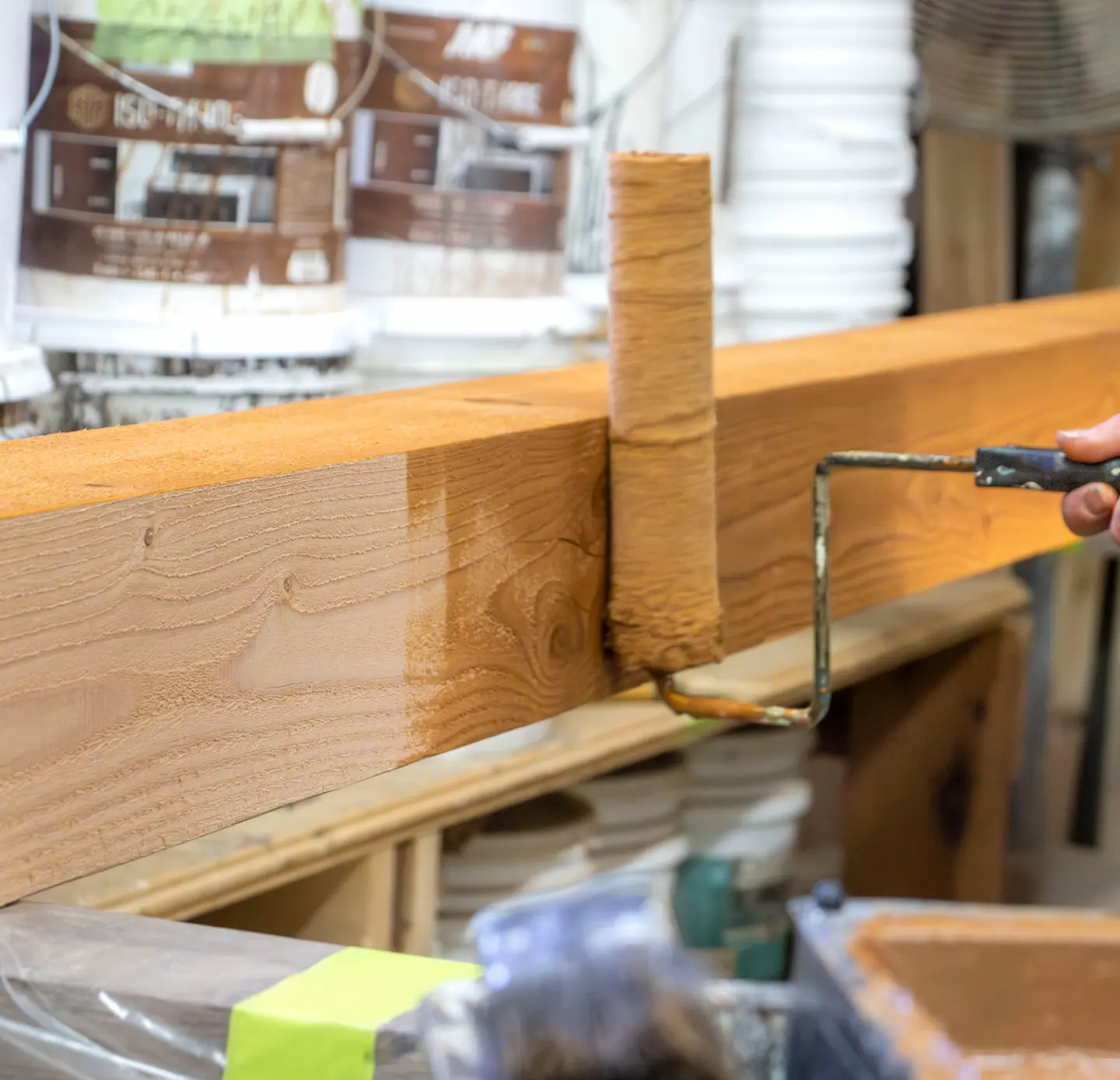
Factory finishing delivers more uniform colour, better control over application and more consistent preparation. For contractors, it reduces the steps to manage on site. For homeowners, it limits surprises and makes installation easier.
Factory staining, factory varnishing, controlled colour and ready-to-install wood are significant advantages, especially for projects where the final appearance must be consistent.
At De Bois Blouin, factory finishing is one of the elements that let us offer a more complete product, better suited to construction and renovation projects.
Choosing a Quebec product, prepared with expertise
Buying a Quebec wood product isn’t just about supporting a local business. It also means choosing a team that understands conditions on the ground, the expectations of local clients and the specific constraints of projects in Quebec.
De Bois Blouin helps clients choose the right wood, the right finish and the right format. Whether you’re a homeowner, contractor, architect or designer, our role is to help you make the right choice for your project.
From raw lumber to finished product, we work every piece with care to offer durable, consistent solid wood products.
The right wood for the right project
There is no single right answer. The best wood is the one that suits your use, your environment and the result you’re looking for.
For a timber frame or structural beams, Douglas fir is often an excellent choice. For bright interior paneling, white pine is very versatile. For a deck or exterior siding, eastern white cedar offers natural durability. For a painted project, poplar or spruce may be the right fit depending on the context.
With the right guidance, wood becomes more than a material. It becomes an essential part of your project.